

Understanding the Role of a Channel Manager in Hospitality
In the ever-evolving landscape of the hospitality industry, maximizing occupancy and revenue is paramount. A Channel Manager plays a crucial role in achieving this goal by streamlining operations and enhancing visibility across various online platforms. But what exactly does a Channel Manager do, and why is it essential for hotels, vacation rentals, and other accommodation providers?
What is a Channel Manager?
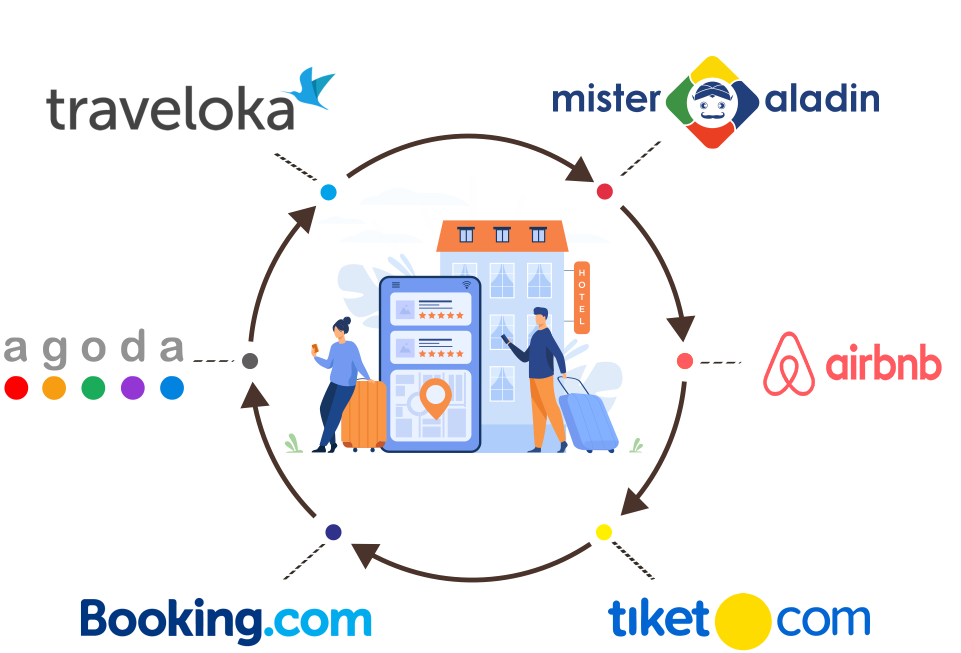
A Channel Manager is a software tool that allows accommodation providers to manage their online distribution channels from a centralized platform. It connects the property management system (PMS) to various online travel agencies (OTAs), booking websites, and the hotel’s own website, ensuring that all channels are updated in real-time.
Key Functions of a Channel Manager
- Real-Time Inventory Management
The primary function of a Channel Manager is to synchronize room availability across all platforms. When a booking is made on one site, the Channel Manager updates availability instantly, preventing double bookings and ensuring that potential guests always see accurate availability. - Dynamic Pricing
Effective revenue management is essential for maximizing profits. Channel Managers allow users to set dynamic pricing strategies based on demand, seasonality, and competition. This flexibility helps properties adjust rates in real-time to optimize occupancy and revenue. - Centralized Control
Managing multiple distribution channels can be cumbersome. A Channel Manager simplifies this process by providing a single interface to manage rates, availability, and reservations. This centralized control saves time and reduces the likelihood of errors. - Enhanced Visibility
By distributing inventory across various OTAs and booking platforms, Channel Managers help increase a property’s online presence. This enhanced visibility can lead to higher bookings and greater market reach. - Reporting and Analytics
Many Channel Managers offer robust reporting tools that provide insights into performance metrics, including booking trends, revenue statistics, and channel performance. This data is invaluable for making informed business decisions and refining marketing strategies. - Integration with Other Systems
Modern Channel Managers can seamlessly integrate with other software systems, such as PMS, CRM, and accounting software. This interoperability ensures a smooth flow of data across all operational areas, enhancing overall efficiency.
Benefits of Using a Channel Manager
- Time Efficiency: Automating the process of updating rates and availability saves valuable time for hotel staff, allowing them to focus on guest services rather than manual updates.
- Increased Revenue: With real-time updates and dynamic pricing capabilities, Channel Managers help properties capture more bookings and optimize revenue.
- Reduced Risk of Errors: Manual entries are prone to mistakes. A Channel Manager minimizes this risk by automating the synchronization process.
- Competitive Advantage: Staying ahead of the competition is crucial in the hospitality industry. A Channel Manager provides the tools needed to respond quickly to market changes and competitor pricing.
Conclusion
In today’s competitive hospitality landscape, leveraging technology is essential for success. A Channel Manager not only simplifies the management of online distribution but also enhances revenue opportunities and improves operational efficiency. For any accommodation provider looking to thrive in the digital age, investing in a Channel Manager is a strategic move that can yield significant returns.